The debate around refresh rates in gaming is hotter than ever, with many gamers asking is 120Hz needed for gaming. This comprehensive guide cuts through the hype to provide clear, actionable insights for every type of player. We explore what 120Hz truly means for your gameplay, whether you are a dedicated esports enthusiast or a casual player balancing family and work. Understand the real benefits, hardware requirements, and practical considerations before making an upgrade. Discover if investing in a 120Hz monitor or display is a smart move for your setup, optimizing your experience without breaking the bank. Dive in to learn how 120Hz impacts different game genres and your overall visual experience, empowering you to optimize your setup like a pro. This informational resource targets US gamers, offering practical solutions to common performance questions and helping you stay current with gaming trends.
Is 120Hz a must-have for competitive gaming?
For truly competitive gamers, especially in fast-paced esports titles, 120Hz (or higher) is almost a must-have. The reduced input lag, superior motion clarity, and quicker response times provide a measurable advantage over opponents playing on 60Hz. It allows for more precise aiming, better enemy tracking, and faster reactions, all critical factors in high-stakes matches. While skill remains paramount, optimizing your gear, including refresh rate, gives you every possible edge.
What are the noticeable differences between 60Hz and 120Hz?
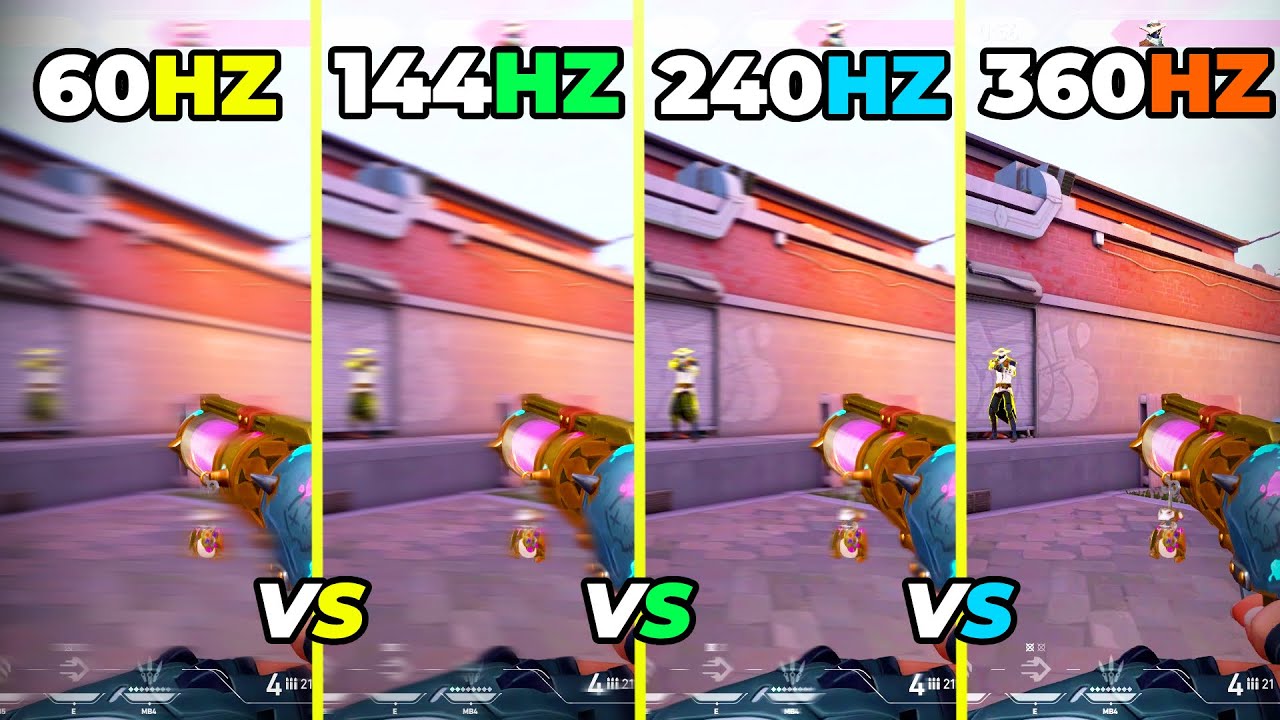
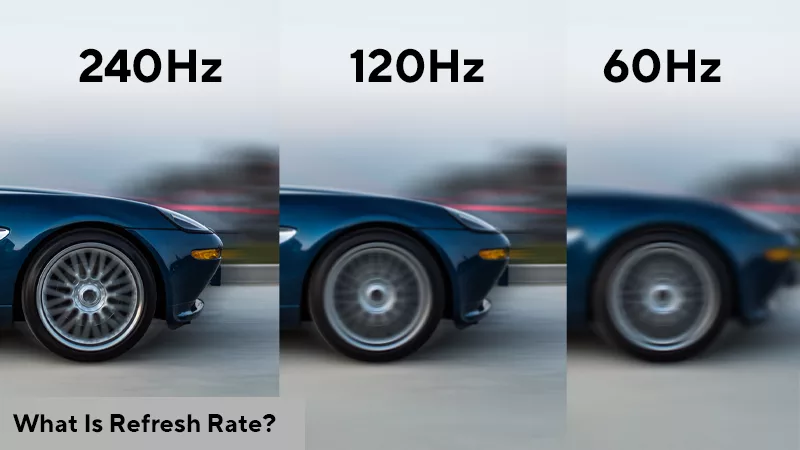
The differences between 60Hz and 120Hz are surprisingly significant and often immediately noticeable. At 120Hz, motion appears much smoother and more fluid, with less visual ghosting or blur during rapid movements. This means crosshairs feel snappier, camera pans are cleaner, and on-screen actions respond with greater immediacy. Even desktop navigation, like dragging windows, feels dramatically smoother. This enhanced visual clarity reduces eye strain and provides a more immersive, comfortable experience, especially during extended gaming sessions.
Can older graphics cards handle 120Hz gaming?
Older graphics cards might struggle to consistently hit 120 frames per second (FPS) in modern, graphically demanding games, especially at higher resolutions. While a 120Hz monitor will still function, your gaming experience won't fully benefit if your GPU can only output 60-80 FPS. For older cards, you might need to lower in-game settings significantly or play less demanding titles to maintain high frame rates. It's generally recommended to pair a 120Hz display with a GPU that can reliably push 100+ FPS in your preferred games for the best experience.
How does 120Hz impact non-gaming activities like web browsing?
While the primary benefits of 120Hz are seen in gaming, non-gaming activities also receive a subtle but welcome boost. Web browsing, scrolling through documents, or moving your mouse cursor across the screen all feel noticeably smoother and more fluid. This increased fluidity reduces eye strain over long periods of computer use, making the overall desktop experience more comfortable. Once you've experienced 120Hz for everyday tasks, going back to 60Hz can often feel sluggish and choppy.
Is it possible to get 120Hz on a laptop?
Yes, absolutely! Many modern gaming laptops come equipped with high refresh rate displays, including 120Hz, 144Hz, or even higher. These laptops are designed with powerful mobile GPUs and CPUs capable of driving games at these frame rates. When buying a gaming laptop, check the display specifications carefully. Just ensure that the laptop's internal hardware is capable of rendering enough frames per second to take full advantage of the 120Hz screen for the games you intend to play.
What kind of games truly shine at 120Hz?
Games that truly shine at 120Hz are those where fast action, quick reactions, and precise movements are integral to gameplay. This includes all forms of competitive online multiplayer games like first-person shooters, battle royales, fighting games, and even real-time strategy games where quick camera movements are common. Racing games also benefit immensely from the increased fluidity, making high-speed maneuvers feel more controlled and responsive. Even some single-player action titles with intense combat sequences can feel more cinematic and engaging at 120Hz.
Should I prioritize 120Hz or a higher resolution (4K) for my budget?
This is a classic dilemma for budget-conscious gamers, and the answer depends on your gaming priorities. If you primarily play competitive games or value smooth, responsive gameplay above all else, prioritize 120Hz (or even 144Hz) at a lower resolution like 1440p. The performance gain is more impactful for these genres. If you play slower, graphically stunning single-player games and prioritize visual fidelity and immersion, then 4K 60Hz might be more appealing. Ideally, you want both, but for a balanced approach, 1440p at 120Hz or higher is often considered the sweet spot for many gamers.
Hey fellow gamers! It's 2026, and the world of gaming moves faster than ever. We're all trying to balance our passion for gaming with demanding jobs, family time, and staying current without falling for every new piece of tech hype. One question keeps popping up in forums and Discord channels: is 120Hz needed for gaming? You're not alone if you've felt that nagging doubt, wondering if your current setup is holding you back or if upgrading to a higher refresh rate is truly worth the investment. With 87% of US gamers playing regularly, often dedicating 10+ hours a week, and social gaming being a huge trend, optimizing our experience without overspending is crucial. Is 120Hz just a competitive advantage for esports pros, or does it offer genuine benefits for the rest of us who just want to unwind after a long day with a cozy game or dive into some intense co-op with friends? We're here to cut through the noise, give you the straight facts, and help you decide if 120Hz is the upgrade you need, or if your hard-earned cash is better spent elsewhere. Let's get into it!
What Exactly Is 120Hz And How Does It Impact Gaming?
120Hz refers to a display's refresh rate, meaning it can draw a new image 120 times per second. In simpler terms, your screen updates 120 frames every second, twice as often as a standard 60Hz monitor. This directly impacts the smoothness and responsiveness of what you see. For gamers, a higher refresh rate translates to less motion blur, sharper image clarity during fast movement, and reduced input lag, creating a more fluid and immediate gaming experience. It makes everything on screen feel snappier, from cursor movements to in-game actions, and can significantly enhance visual comfort during long gaming sessions.
Is 120Hz Truly Necessary For Casual Gamers?
For casual gamers who primarily enjoy single-player adventures, story-driven RPGs, or slower-paced strategy titles, 120Hz is certainly a nice-to-have but not strictly "necessary." A 60Hz display will still provide an excellent and immersive experience for these genres. The benefits of 120Hz become most apparent in fast-paced scenarios, which might not be central to a casual player's typical gameplay loop. If your primary goal is relaxation and soaking in game worlds after work, a 60Hz screen is perfectly adequate. However, if you occasionally dabble in competitive titles or simply appreciate buttery-smooth visuals, 120Hz offers a noticeable upgrade even in casual play.
Who Benefits Most From A 120Hz Refresh Rate?
The biggest beneficiaries of 120Hz are competitive gamers across all platforms, especially those playing esports titles like Valorant, Apex Legends, Call of Duty, or Rocket League. In these games, split-second reactions and precise aim can mean the difference between victory and defeat. The reduced input lag and superior motion clarity offered by 120Hz displays provide a tangible advantage, allowing players to react faster to enemies and track targets more effectively. Beyond competitive play, anyone who enjoys fast-action genres like racing games, fighting games, or even certain open-world action titles will appreciate the enhanced fluidity. Even content creators and streamers often opt for higher refresh rates for smoother gameplay capture.
How Does 120Hz Compare To 60Hz And 144Hz?
Understanding the differences between common refresh rates helps clarify the value of 120Hz. Here's a quick comparison:
| Refresh Rate | Visual Smoothness | Input Lag | Ideal For | Cost |
| 60Hz | Standard, perceptible motion blur | Higher | Casual gaming, story-driven games, general use | Lowest |
| 120Hz | Significantly smoother, less blur than 60Hz | Lower | Balanced gaming, some competitive play, console gaming | Mid-range |
| 144Hz+ | Very smooth, minimal blur | Lowest | Competitive esports, PC enthusiast gaming | Higher |
While 60Hz is the baseline, 120Hz offers a substantial leap in perceived smoothness. Moving to 144Hz or even higher (like 240Hz) provides further, albeit diminishing, returns. For most gamers, 120Hz strikes an excellent balance between performance, visual quality, and cost, especially if you're transitioning from 60Hz.
What Hardware Do I Need To Support 120Hz Gaming?
To fully utilize a 120Hz display, your entire system needs to be capable of rendering frames at or above that rate. This means a relatively powerful graphics card (GPU) and a capable processor (CPU) are essential, particularly for PC gaming. For console gamers, the latest generation consoles like the PlayStation 5 and Xbox Series X/S are designed to support 120Hz output for specific games. Your display itself must also natively support 120Hz, connected via an HDMI 2.0 (or newer) or DisplayPort 1.2 (or newer) cable. Ensure your drivers are up to date and your in-game settings are optimized to achieve frame rates matching your display's refresh rate.
Can I Get 120Hz On My Console PS5 Xbox Series XS?
Yes, absolutely! The PlayStation 5 and Xbox Series X/S are both capable of outputting games at 120Hz, provided the game itself supports it and you have a compatible display and HDMI 2.1 cable (though HDMI 2.0 can sometimes manage 120Hz at lower resolutions). Many popular titles, including Call of Duty Warzone, Fortnite, and Halo Infinite, offer 120FPS modes on these consoles. This is a game-changer for console players, finally bringing a taste of high refresh rate gaming to the living room. It’s a fantastic way to experience smoother performance without diving into the complexities of PC building.
Is 120Hz Worth The Upgrade Cost For The Average Gamer?
For the average gamer balancing work, family, and a budget, deciding if 120Hz is worth the cost comes down to priorities. If you primarily play competitive multiplayer games or simply crave the smoothest possible visual experience, then yes, the upgrade is often very much worth it. The difference is noticeable and can enhance enjoyment and even performance. However, if your budget is tight and your current setup is 60Hz, consider what games you play most. If they are mostly slower-paced, an upgrade to a better GPU for more stable 60FPS or a larger SSD might provide more tangible benefits for your overall experience. The good news is that 120Hz monitors are becoming more affordable, making the leap less daunting than it once was.
Are There Any Downsides To 120Hz Gaming?
While 120Hz offers many advantages, there are a few potential downsides. Firstly, it demands more from your hardware, meaning you'll need a more powerful GPU to consistently hit 120 frames per second in demanding titles. This can lead to higher electricity consumption and more heat generation. Secondly, 120Hz monitors are typically more expensive than their 60Hz counterparts, especially at higher resolutions like 4K. Lastly, if your system can't consistently maintain 120 FPS, you might experience screen tearing or uneven frame pacing, which can sometimes look worse than a stable 60 FPS. Ensure your hardware can match the refresh rate to avoid these issues.
How Do I Enable And Check My Refresh Rate?
Enabling and checking your refresh rate is straightforward for both PC and console gamers. On PC (Windows), right-click on your desktop, go to Display Settings, then Advanced display settings, and finally Display adapter properties for Display 1 (or your primary monitor). Here you can find a list of all modes and select 120Hz if available. On consoles like PS5 or Xbox Series X/S, navigate to your system settings, then screen & video/TV & display options, and look for settings related to resolution and refresh rate. Ensure the 120Hz option is selected. Always verify your in-game settings too, as some games require you to enable high refresh rates within their menus.
What Games Truly Benefit From 120Hz?
Games that benefit most from 120Hz are typically those where responsiveness and visual clarity during rapid movement are critical. This includes:
- First-Person Shooters (FPS): Call of Duty, Apex Legends, Valorant, Overwatch 2
- Battle Royales: Fortnite, PUBG
- Racing Games: Forza Horizon, F1 series
- Fighting Games: Tekken, Street Fighter
- Action-adventure games with fast combat: Spider-Man, God of War (where 120Hz modes are available)
Balancing 120Hz With Other Gaming Priorities Life
As busy adults who love gaming, we know it's not just about raw specs. Balancing 120Hz with life means smart choices. Do you prioritize competitive edge for your few hours of nightly gaming, or is a beautiful 4K 60Hz experience for story-rich titles more your speed? For many, optimizing for a stable 60FPS on a beautiful monitor might be more practical than striving for 120Hz at a lower fidelity or with a less reliable framerate. Consider your budget, time commitment, and what truly makes gaming enjoyable for you. Sometimes, a well-optimized 60Hz setup allows for more funds to be spent on new games, quality peripherals, or even that subscription to a social gaming platform to connect with friends.
So, is 120Hz needed for gaming? The short answer is: it depends on you and your gaming style. While it offers undeniable benefits for competitive play and a noticeably smoother experience for everyone, it’s not a strict requirement for enjoying most games, especially if you're a casual player. For many of us balancing life's demands with our passion, smart upgrades are key. If you're a competitive player or prioritize visual fluidity, 120Hz is a fantastic investment. If budget or game preference lean elsewhere, a solid 60Hz setup remains perfectly viable. Ultimately, understanding your needs and what you value in your gaming experience will guide your decision. What's your biggest gaming challenge when it comes to upgrading? Comment below!
Is 120Hz worth it for PS5?
Yes, if you play titles that support 120FPS modes like Call of Duty or Fortnite and have a compatible TV/monitor, 120Hz on PS5 significantly enhances smoothness and responsiveness, offering a tangible upgrade for competitive play.
Can human eye notice 120Hz vs 60Hz?
Absolutely. Most people can easily perceive the difference between 60Hz and 120Hz, especially in fast-moving content like games. The visual fluidity, reduced motion blur, and snappier feel are distinctly noticeable.
Do I need a 120Hz monitor for my Xbox Series X?
While not strictly "needed" to play games, a 120Hz monitor (or TV) is required to experience the 120FPS modes available on many Xbox Series X titles. It greatly improves the gaming experience for supported games.
Is 120Hz good for Warzone?
120Hz is excellent for Warzone. The increased refresh rate allows for quicker target acquisition, smoother tracking, and reduced input lag, providing a significant competitive advantage in the fast-paced battle royale environment.
How much FPS is 120Hz?
A 120Hz display can show up to 120 frames per second (FPS). To fully utilize it, your system (PC or console) needs to consistently render frames at or above 120 FPS. If your FPS is lower, the display will still show at its max rate but frames will be duplicated.
Is 120Hz better than 4K 60Hz?
It depends on your priority. 120Hz offers superior smoothness and responsiveness, ideal for competitive gaming. 4K 60Hz provides a much sharper, more detailed image, better for immersive, slower-paced, or graphically rich single-player experiences where visual fidelity is key. Many gamers balance by choosing 1440p 120Hz.
120Hz enhances visual fluidity and responsiveness. It is crucial for competitive esports. For casual gamers, 120Hz offers noticeable smoothness but is not strictly essential. Hardware compatibility and game type are key considerations. Value for money depends on individual gaming habits and budget. Console gaming (PS5 Xbox Series X) can leverage 120Hz. Proper setup and optimization are vital for experiencing full benefits. Prioritize 120Hz if you play fast-paced titles or seek a competitive edge. It reduces eye strain and improves immersion.
35
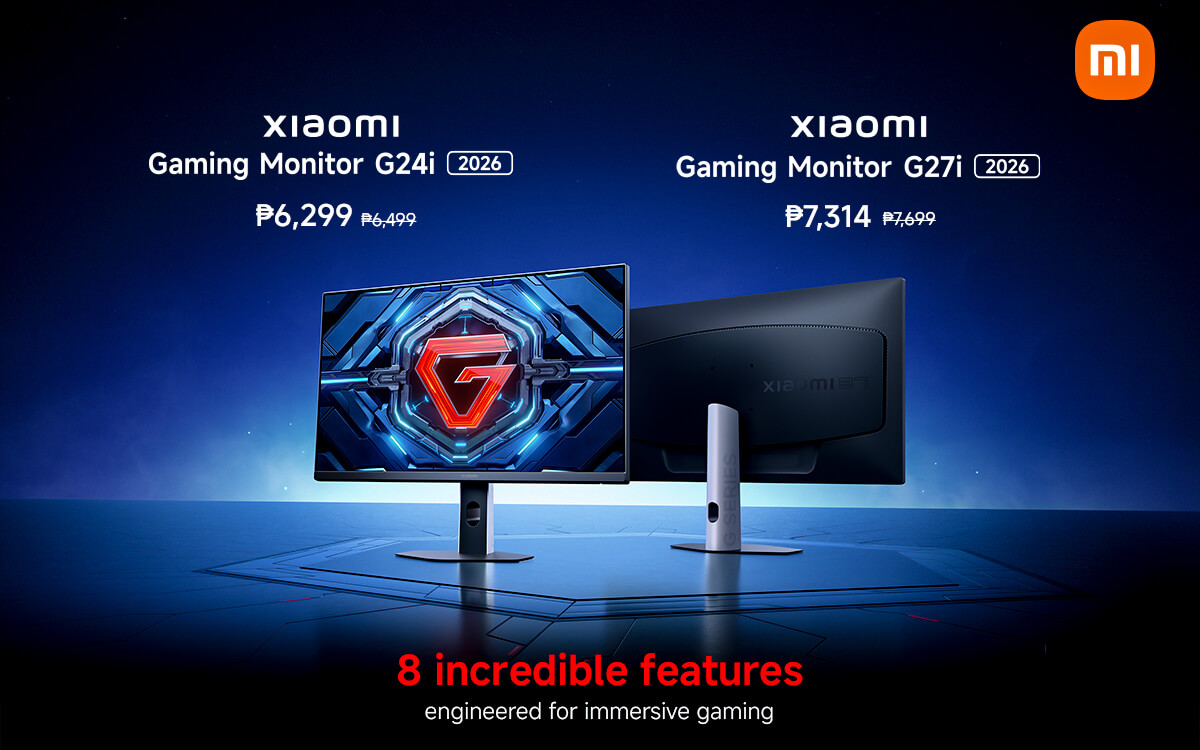

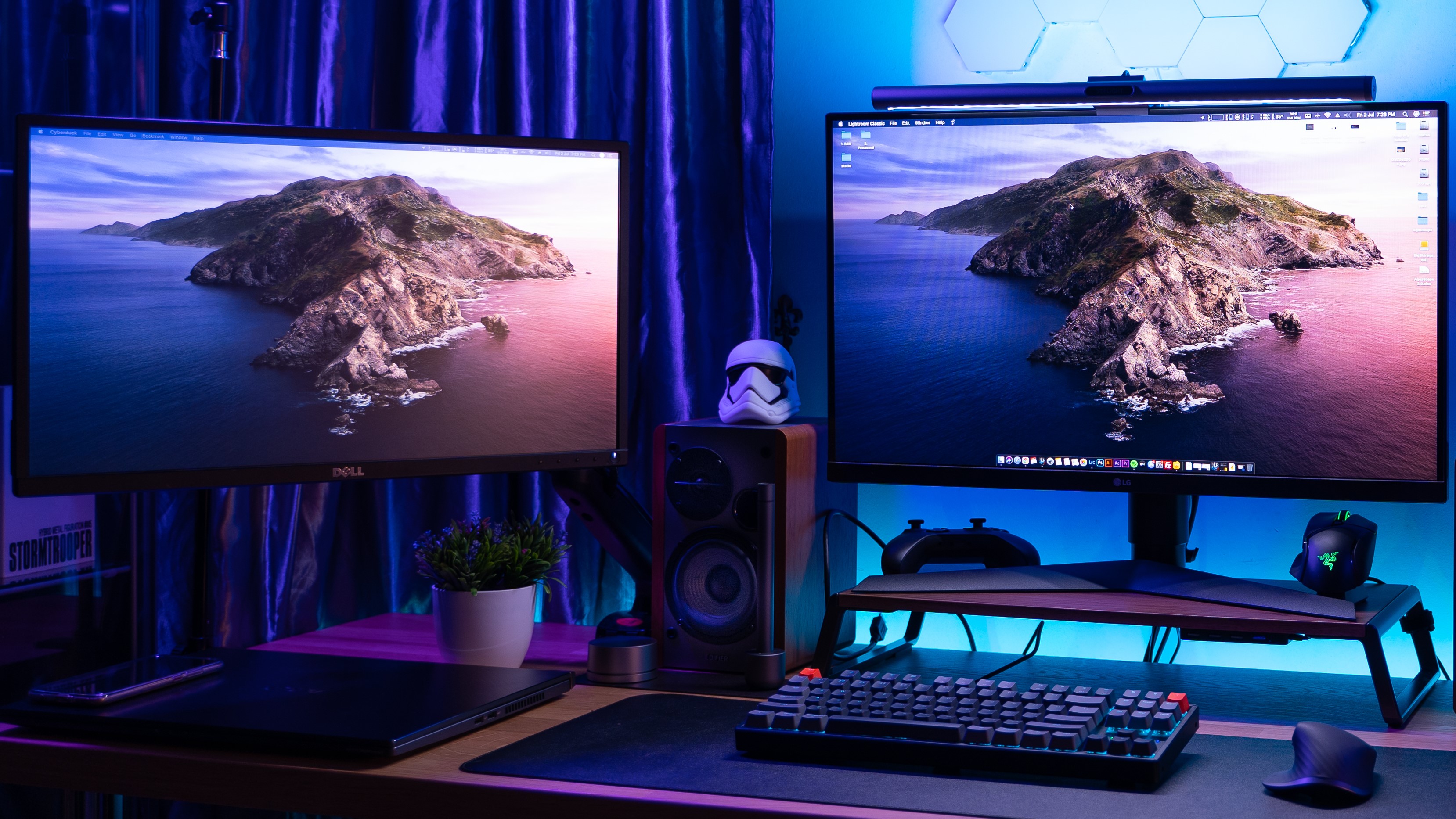
Best 120Hz Monitors For Gaming In 2026 Top Picks Only WhalesDev Monitor Video Editing And Gaming 1920x1080 . Xiaomi Launches G24i 2026 And G27i 2026 Gaming Monitors In The Xiaomi Launches G24i 2026 And G27i 2026 Gaming Monitors In The Philippines . Check Out The Latest ROG Gaming Gear Revealed At CES 2026 . The Best SSD For The Steam Deck Xbox ROG Ally And Ally X In 2026 . 10 Best 120Hz TVs For Gaming March 2026 Expert Reviews B0DSR9CHB1 Customer 2

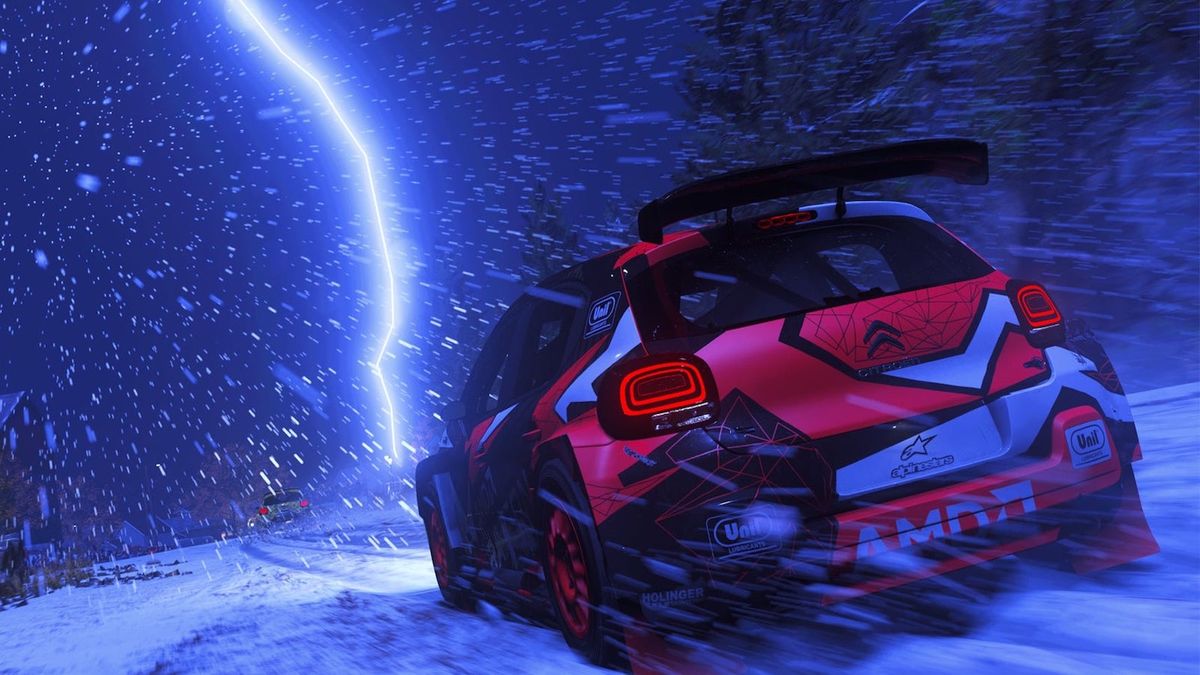
10 Best 120Hz TVs For Gaming March 2026 Expert Reviews B0DYWG3BL1 Customer 1 . 10 Best 120Hz TVs For Gaming March 2026 Expert Reviews B0DSR9CHB1 Customer 1 . 15 Best AV Receivers With HDMI 2 1 For 4K 120Hz Console Gaming July 2026 Best AV Receivers With HDMI 2.1 For 4K 120Hz Console Gaming 1024x559 . Top Budget Phones 2026 Smooth 120Hz Displays For Lag Free Gaming Top Budget Phones 2026 Smooth 120Hz Displays For Lag Free Gaming 1024x576 . Is 120Hz Crucial For Your Gaming Experience 1200 80

Redmi A27Q 2026 Review Budget 2K 120Hz Monitor XYUltra Redmi A27Q 2026 2.webp. As The Wait For Persona 6 Continues Developers Tease In . Xbox Game Showcase 2026 Trailers Release Dates TAFT Independent 2026 Video Game Release Dates Post Feature Image . What Is Refresh Rate Why 120Hz 144Hz 240Hz Matters For Gaming. Switch 2 Has A 120 Hz Screen With Response Times That Are Too Slow For


Best 120Hz TVs For Gaming In 2026 Latest Models WhalesDev TV Xbox Series X 2 Scaled . UPERFECT 2K 120Hz Portable Gaming Monitor 16 2560x1600 QHD Portable 71DfzYNrw8L . Best TVs With 120hz For Gaming 2026 Expert Reviews Buyer Guide Featured Image 6r Crkkx . ASUS Revives Dual Screen Gaming With The 2026 ROG Zephyrus Duo ASUS ROG Zephyrus Duo 2026 Dual Screen Gaming Laptop Announced 20260106 183007 . Stuff The Best Gadgets News Reviews And Buying Guides Best Gaming Consoles Hero Image


120Hz On PS5 And Xbox Series X S What Do You Need On Your TV For 154120 Games News Feature Ps5 And Xbox Series X S What Do You Need On Your Tv For 120hz Gaming Image3 Zh7fonkroi . Best 120Hz 4K TV 2026 Screens For New Consoles And PC GamesRadar . Best Graphics Cards For Gaming In 2026 Tech2Geek Img . 10 Best VR Ready Gaming PCs For 120Hz VR In 2026 StrongMocha Top Vr Gaming Pcs Gjwhf 800x450 . Best 120Hz Gaming TVs 2025 8 Expert Tested Models Reviewed Featured Image Lrvare9c



Gaming On 120HZ For The First Time Unfair YouTube . Is 120Hz Crucial For Your Gaming Experience . Best 120Hz Monitor In 2026 Our Top Picks For Gaming WePC Best 120Hz Monitor 1200x675 . 2026 Console Gaming Monitor Blueprint 4K 120Hz Guide . The Ultimate Guide To Choosing The Best Hz For Your Gaming Monitor Arzopa 60hz Vs 120hz


Best Gaming PC Builds For 2026 Best Gaming PC Builds For 2026.webp. 8K 120Hz Gaming Monitors The Flagship Experience Forbidden PC . How To Optimize Gaming Pc For 120hz What Gamers Need To Know . 60Hz Monitor Fps Difference 60Hz Monitor Over Fps VBJRB . What Is FPS In Gaming An Ultimate A Z Guide