Understanding how much power supply needed for gaming PC builds is crucial for any serious gamer, especially those balancing life and leisure. This comprehensive guide navigates the complexities of choosing the right PSU, ensuring your system runs efficiently and reliably without overspending. We'll explore wattage requirements, efficiency ratings, modularity benefits, and future-proofing considerations for modern gaming rigs. Whether you're upgrading an existing setup or building a new beast for the latest titles and social gaming trends, getting your power supply right prevents crashes, extends component lifespan, and provides peace of mind. Discover practical tips to calculate your needs based on your CPU, GPU, and peripherals, avoiding common pitfalls. This article offers clear, actionable advice to help you optimize your gaming experience, save money, and keep your system performing at its peak. We address common pain points like unexpected shutdowns and performance issues, ensuring your valuable gaming time is spent enjoying your favorite games.
1. How much power supply do I need for a gaming PC? 2. What wattage PSU is best for gaming? 3. How to calculate power supply for PC gaming? 4. What happens if my gaming PC PSU is too small? 5. Is 750W PSU enough for gaming?What are the core components that dictate how much power supply needed for gaming PC builds?
When you're trying to figure out how much power supply needed for gaming PC, the CPU and GPU are the heavy lifters. Your processor and especially the graphics card (e.g., NVIDIA RTX 4080/4090 or AMD RX 7900 XTX) demand the most power. RAM, storage drives, and cooling solutions also contribute, but to a lesser extent. Always check the manufacturer's recommended PSU wattage for your specific GPU as a crucial starting point for stability.
Why is choosing the right power supply wattage so critical for gaming performance and stability?
Choosing the right PSU wattage is critical because an insufficient power supply cannot deliver enough stable electricity under load, leading to instability, random shutdowns, and performance throttling. This is frustrating during intense gaming or multitasking. An appropriately sized PSU ensures consistent voltage delivery, vital for component longevity and peak performance, preventing frustrating in-game stutters or reboots that disrupt your valuable gaming time and competitive edge.
How does the 80 PLUS certification impact how much power supply needed for gaming PC and my electricity bill?
The 80 PLUS certification indicates a PSU's energy efficiency; higher ratings (Bronze, Gold, Platinum, Titanium) mean less power wasted as heat. While it doesn't change how much power supply needed for gaming PC wattage, it means lower electricity bills over time, especially for gamers playing 10+ hours a week. Higher efficiency also results in less heat generation, contributing to a cooler, quieter system and potentially longer component life, offering good value for money.
What are the benefits of a modular power supply for a gaming PC, and is it worth the extra cost?
Modular power supplies allow detaching unused cables, significantly improving cable management. This leads to better airflow inside your PC, reduced dust buildup, and a cleaner aesthetic. For gamers who customize or upgrade frequently, modular PSUs simplify the process. While they cost a bit more, the ease of installation, enhanced system aesthetics, and improved airflow often justify the investment, particularly for adults balancing life and gaming, seeking optimal performance and minimal setup issues.
Can an "overkill" power supply harm my gaming PC, or is more wattage always better?
An "overkill" power supply will not harm your gaming PC; components only draw the power they need. Having extra headroom allows for future upgrades without needing a new PSU and often enables the PSU to operate at its peak efficiency (50-70% load), leading to cooler, quieter operation. The main drawback is a higher initial cost. The sweet spot is usually 15-20% above your calculated total power draw, offering safety, flexibility, and good efficiency without being excessively expensive.
How do I determine the right power supply for upcoming high-end GPUs like future RTX or RX series?
Future-proofing your PSU for next-gen GPUs involves looking at current power trends and manufacturer recommendations. High-end cards this month often demand specific wattage and new connector types like 12VHPWR. Aim for a PSU with at least 15-20% more wattage than the recommended minimum for new GPUs and ensure it has the correct power connectors. This provides headroom for transient power spikes and allows for upgrades without immediate PSU replacement, protecting your investment for evolving gaming trends.
Are there online calculators that can accurately tell me how much power supply needed for gaming PC?
Yes, several reputable online PSU calculators provide accurate estimates for how much power supply needed for gaming PC. Popular choices include Outervision's eXtreme Power Supply Calculator and PCPartPicker. These tools allow you to input your specific CPU, GPU, RAM, storage, and other peripherals, providing a recommended wattage. Always add a 15-20% buffer to the calculator's recommendation to account for power spikes, component variations, and potential future upgrades, ensuring a stable and reliable system.
Ever been in the middle of an intense raid or a crucial esports match, only for your screen to suddenly go black? Or perhaps you've been eyeing that powerful new graphics card, but a nagging doubt whispers: "Can my current power supply even handle it?" You're not alone. Many gamers, especially those of us balancing demanding jobs, family life, and precious gaming hours, face this silent, often overlooked challenge: figuring out how much power supply needed for gaming PC builds. We pour hours into researching the perfect CPU and GPU, only to treat the power supply unit (PSU) as an afterthought. Yet, your PSU is the unsung hero, the heart that pumps lifeblood to every single component in your rig. A mismatched or insufficient power supply can lead to instability, unexpected shutdowns, shorter component lifespans, and ultimately, a frustrating gaming experience. With 87% of US gamers regularly diving into their favorite titles, often for 10+ hours a week, and social gaming trends dominating discussions this month, performance and reliability are paramount. This guide will empower you to confidently choose the right power supply, ensuring your system runs smoothly, efficiently, and is ready for the latest games, protecting your investment and maximizing your limited gaming time.
Why is the Power Supply so Critical for a Gaming PC?
The power supply unit, or PSU, is the stable foundation upon which your entire gaming experience rests. A robust PSU ensures every component receives clean, consistent power, especially during demanding moments like intense gaming or streaming. This stable delivery prevents sudden crashes, unexpected restarts, and system instability that disrupt your valuable relaxation time. Furthermore, a good PSU protects your expensive components. Voltage fluctuations or insufficient power can stress your CPU, GPU, and motherboard, potentially shortening their lifespan. Investing in a quality PSU is an investment in the longevity and reliability of your entire system, preventing those frustrating "what just happened?" moments and letting you focus on skill-building and social play, which is highly popular among US gamers.
How Do I Calculate How Much Power Supply Needed For My Gaming PC?
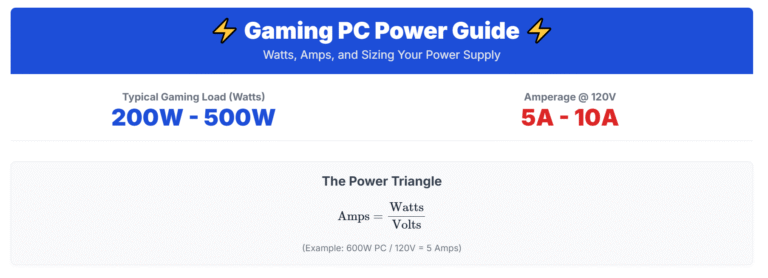
Determining how much power supply needed for gaming PC involves summing the power consumption of your core components and adding a crucial buffer. Your Graphics Card (GPU) is typically the most power-hungry, with high-end models like the RTX 4080/4090 or RX 7900 XTX demanding 300-450W+. Your Processor (CPU), such as Intel i7/i9 or AMD Ryzen 7/9, can consume 65W-200W+. RAM, storage drives, fans, and peripherals add smaller amounts, usually 30-50W total. After estimating these, add a 15-20% buffer. This buffer accounts for transient power spikes, slight PSU degradation over time, and allows for minor future upgrades. It also often places your PSU in its most efficient operating range, improving overall system stability and potentially extending component life. Online PSU calculators are excellent tools to help with precise estimations.
What are the Different 80 PLUS Efficiency Ratings and Do They Matter?
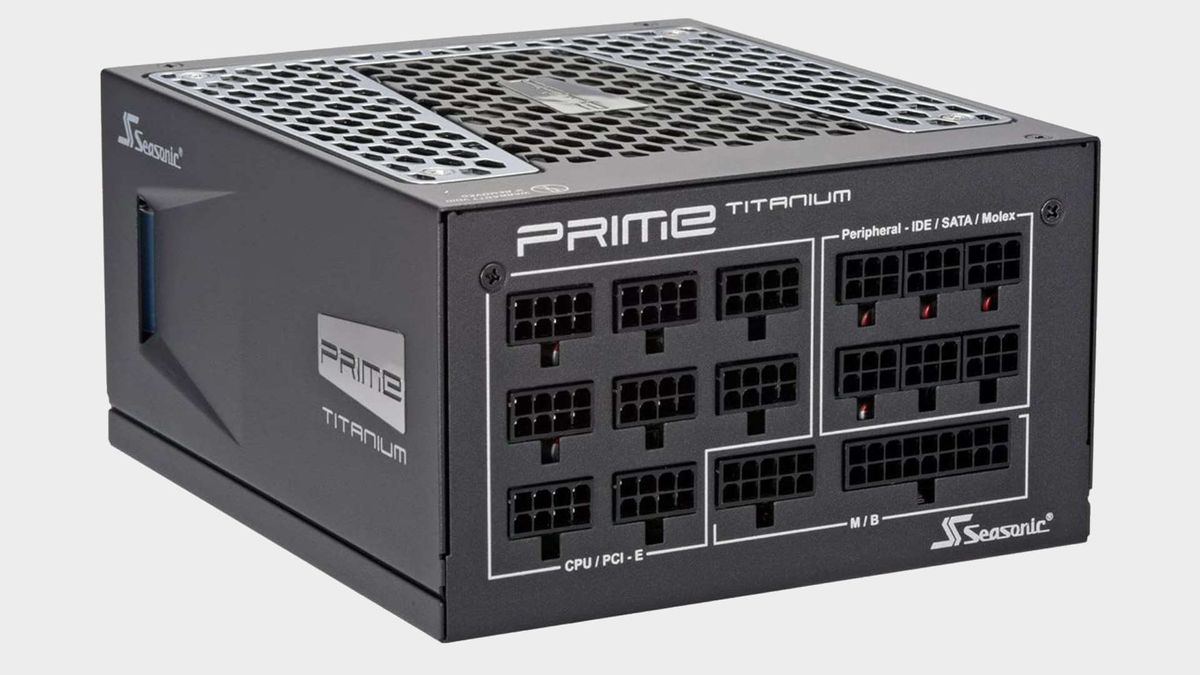
The 80 PLUS certification indicates a power supply's energy efficiency. Ratings range from Standard (80% efficient) to Titanium (90% efficient at 10% load, 92%+ at others). This rating signifies how much power drawn from the wall is converted to usable PC power, with the rest lost as heat. Yes, these ratings matter significantly for busy gamers. Higher efficiency means lower electricity bills over time, as less energy is wasted. For US gamers playing 10+ hours a week, these savings add up. Additionally, a more efficient PSU generates less heat, contributing to a cooler, quieter internal PC environment, enhancing system stability and component longevity. An 80 PLUS Gold rated PSU typically offers the best balance of efficiency, performance, and cost for modern gaming rigs.
Should I Go Modular or Non-Modular for My Gaming PC Power Supply?
When choosing a PSU, you'll find non-modular (all cables attached), semi-modular (essential cables attached), and fully modular (all cables detachable) options. For most gaming PC builders, especially those who value a clean setup, fully modular PSUs are highly recommended. While slightly more expensive, they offer superior cable management, allowing you to only use the cables you need. This results in much better airflow within your case, contributing to cooler components and quieter fan operation. It also makes installation and future upgrades significantly easier, reducing clutter and frustration. For adult gamers balancing life, the convenience and aesthetic benefits of a modular design often justify the small additional investment, providing a cleaner, more efficient, and easier-to-maintain system.
When Should I Consider Upgrading My Power Supply?
Upgrading your power supply becomes essential in several scenarios. The most common reason is a major GPU upgrade; newer high-end graphics cards often demand significantly more wattage or different power connectors (like the 12VHPWR seen recently). You should also consider an upgrade if your system experiences unexplained instability, random shutdowns, or crashes during gaming, as these can signal an an aging or insufficient PSU. If your power supply is over 7-8 years old, its efficiency and reliability may be declining, warranting a proactive replacement. Unusual noises from the PSU, like buzzing or grinding, are also clear indicators of potential failure. For a brand-new gaming PC build, always invest in a new, appropriately sized, and efficient PSU to ensure maximum stability and protect your investment.
What are Common Mistakes to Avoid When Choosing a PSU?
Avoid these common power supply pitfalls to ensure a stable and reliable gaming PC. First, never undersize your PSU; insufficient wattage leads to instability and potential hardware damage. Always add a 15-20% buffer to your calculated needs. Second, shun cheap, no-name brands; these units often use low-quality components, provide unstable power, and lack essential safety features. Stick to reputable manufacturers with good warranties. Third, don't ignore 80 PLUS efficiency; higher ratings save you money on electricity over time. Fourth, always check for the correct power connectors your GPU and CPU require. Finally, avoid overspending on excessively high wattage you don't need; find the sweet spot for how much power supply needed for gaming PC that offers headroom without being wasteful.
Can an Overpowered PSU Harm My Gaming PC?
No, an "overpowered" power supply will not harm your gaming PC. Your computer components only draw the power they need; they do not get "force-fed" excess wattage. If your PC requires 500W at peak and you have an 850W PSU, it will simply deliver 500W. Having extra wattage capacity can even be beneficial, providing headroom for future upgrades without needing a new PSU and often allowing the PSU to operate in its most efficient range (typically 50-70% load). The only drawback to an excessively powerful PSU is the higher initial cost and potentially minor efficiency loss at very low loads. For most gamers, a PSU with 15-20% more wattage than estimated peak draw offers the best balance of safety, flexibility, and efficiency.
How Does Future-Proofing Impact My PSU Choice?
Future-proofing your PSU choice means making an informed decision that anticipates upcoming hardware demands, ensuring your system remains viable for new releases and upgrades. Aim for a PSU with 15-20% wattage headroom beyond your current needs to accommodate future, more powerful GPUs or CPUs. Pay close attention to evolving power connector standards, such as the 12VHPWR connector now seen on some high-end NVIDIA cards; ensure your chosen PSU (or a reliable adapter) supports these. Opt for an 80 PLUS Gold or Platinum efficiency rating for long-term energy savings and stability. Finally, invest in a reputable brand with a long warranty (7-10 years is common for quality units). This strategy for how much power supply needed for gaming PC protects your investment and ensures your gaming rig can evolve with the ever-changing gaming landscape.
What About Specific GPU and CPU Power Demands?
Specific power demands of your GPU and CPU are the primary drivers for determining how much power supply needed for gaming PC. High-end GPUs like the NVIDIA RTX 4090 or AMD RX 7900 XTX can demand 350-450W+, often requiring 850W-1000W+ PSUs. Mid-range cards like the RTX 4070 or RX 7800 XT typically pair well with 650W-750W PSUs. For CPUs, Intel Core i9 or AMD Ryzen 9 can draw 150W-250W+ when boosted or overclocked, pushing PSU requirements higher. Less demanding CPUs like Core i5/Ryzen 5 often stay within 65W-125W. Always consult the manufacturer's minimum recommended PSU wattage for your specific GPU, then add your CPU's consumption and a 15-20% buffer. Real-world power consumption benchmarks from trusted review sites also provide valuable insights into actual peak draws for the latest components this month.
Are There Any Tools or Resources to Help Me Choose?
Absolutely, you don't need to be an expert to calculate how much power supply needed for gaming PC. Several excellent online tools simplify this process. The Outervision eXtreme Power Supply Calculator is highly comprehensive, allowing you to input specific CPU and GPU models, RAM, storage, fans, and even overclocking. PCPartPicker also features a dynamic wattage estimator that updates as you select components for your build. Additionally, major PSU manufacturers like Seasonic, Corsair, and EVGA offer their own calculators. When using these, always be specific with your component models, account for all peripherals, and remember to add that crucial 15-20% buffer to the recommended wattage. Consulting expert hardware reviews from sites like Gamers Nexus or community discussions on platforms like Reddit also offers real-world data and advice for making an informed decision.
Navigating the world of power supplies doesn't have to be a daunting task. By understanding your components' power draw, prioritizing efficiency, considering modularity for ease of build and aesthetics, and planning for future upgrades, you can confidently select the right PSU for your gaming PC. A well-chosen power supply is the quiet backbone of your system, ensuring stability, protecting your valuable hardware investment, and allowing you to focus on the immersive worlds, competitive challenges, and social connections that make gaming so rewarding. Remember, getting how much power supply needed for gaming PC right is a fundamental step towards a truly optimized and enjoyable experience. Don't let power concerns interrupt your precious gaming moments.
What's your biggest gaming challenge when it comes to hardware upgrades or performance? Comment below! Let's help each other build better, more stable rigs for those precious gaming moments, ensuring we can all relax, have fun, and level up together.
FAQ: Quick Power Supply Answers for Gamers
Is a 750W PSU enough for most gaming PCs?
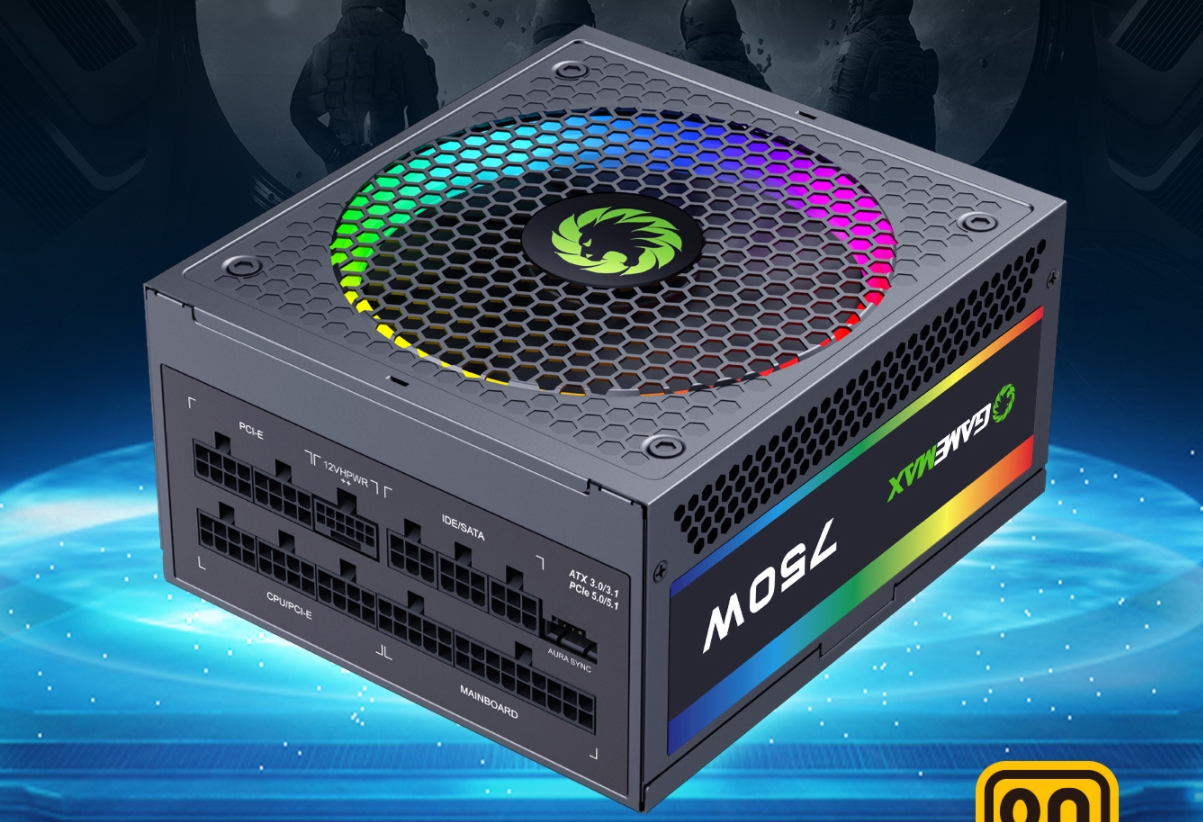
For most mid-to-high-end gaming PCs featuring a single powerful GPU (like an RTX 4070/4070 Ti) and modern CPU, a 750W PSU is generally sufficient, offering a good balance of power and headroom. Always check your specific GPU and CPU recommendations and add a small buffer for transient spikes.
How long do gaming PC power supplies typically last?
A good quality power supply from a reputable brand can last 5-10 years, often outliving other components. Factors like consistent load, ambient temperature, and a higher 80 PLUS efficiency rating can significantly influence its lifespan and reliability, maximizing your return on investment.
Does PSU efficiency save money on electricity?
Yes, higher 80 PLUS efficiency ratings (like Gold or Platinum) mean less wasted heat and lower electricity bills over time. This is especially true for US gamers who play many hours a week, averaging 10+ hours. It's a smart value for money choice that contributes to overall system health and longevity.
Can I reuse an old PSU for a new gaming PC?
It's generally not recommended unless the old PSU is relatively new (under 3-4 years old), from a high-quality brand, and its wattage and connector types (e.g., 12VHPWR) fully meet the requirements for your new, more demanding components. Older PSUs might lack modern safety features or adequate power delivery for current hardware.
What is "coil whine" in a power supply?
Coil whine is a high-pitched buzzing or squealing sound sometimes emitted by electronic components, including PSUs, due to electromagnetic vibrations. While usually harmless to performance, it can be annoying. It's more common under high load and often varies in intensity between units and models, though it doesn't affect the delivery of how much power supply needed for gaming PC.
What is the best way to clean my power supply?
The best way to clean your power supply is to use compressed air to blow dust out of its vents, ensuring your PC is powered off and unplugged first. Do not open the PSU casing, as it contains dangerous capacitors that can hold a charge even when unplugged. Regular cleaning helps maintain optimal airflow and longevity, preventing overheating.
Essential guide for determining how much power supply needed for gaming PC. Covers wattage calculation, efficiency ratings like 80 PLUS, modularity benefits, and future-proofing. Practical tips for choosing the right PSU based on CPU, GPU, and system components. Addresses common gamer pain points like performance and stability. Helps optimize gaming experience and save money on upgrades.
35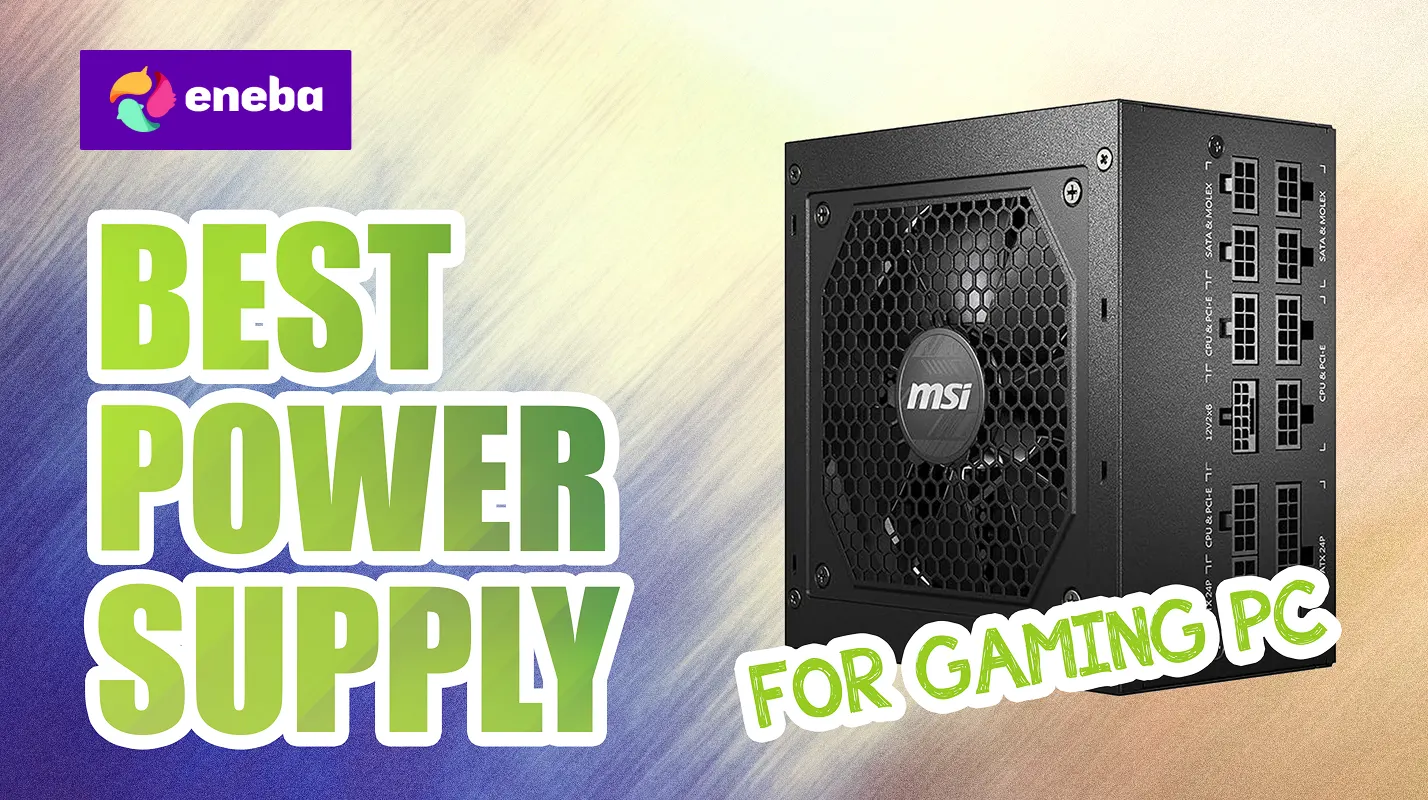

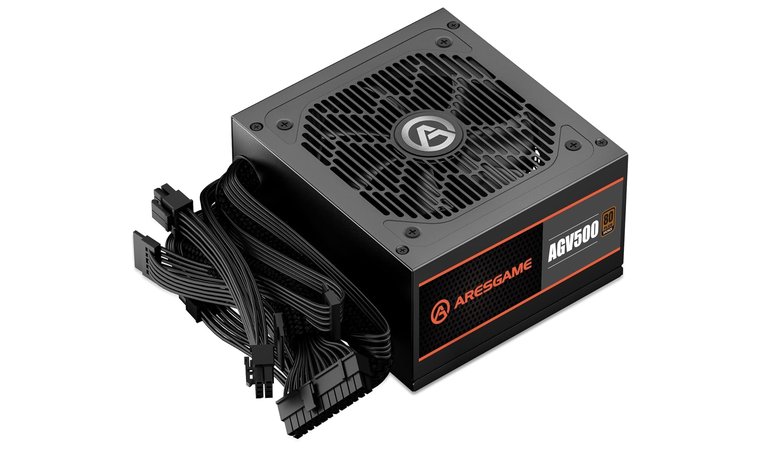
Best Power Supply For Gaming PC 11 PSUs For 2026 Best Power Supply For Gaming Pc.webp. PSU Tier List 2026 Best Reviewed Power Supplies Psu Tier List 2026.webp. How To Pick The Right Power Supply For Your Gaming PC Build In 2025 How To Pick The Right Power Supply For Your Gaming PC Build In 2025 . How Many Watts Do You Actually Need For A 2026 Gaming PC Banner 1. Best Power Supply For Gaming PC 11 PSUs For 2026 Aresgame Agv Series Best Power Supply For Gaming Pc


Best Power Supply 2026 Top PSUs For Your Gaming PC Best Power Supply Gaming Pc . How Much PSU Wattage Do You Need For A Gaming PC 2026 Guide Image. 10 Best Power Supplies For Gaming PCs July 2026 Best Power Supplies For Gaming PCs 768x429 . Best Power Supply For Gaming PC 11 PSUs For 2026 Be Quiet Pure Power 12 M Best Power Supply For Gaming Pc 300x178 . These Are The 12 Best Gaming PC Power Supplies For Every Budget Beabaca4 30d2 4671 82a3 1979626436

How Much Power Does A CPU Consume Find Out 2025 Tips How Much Wattage Does A Gaming Pc Power Supply Need. Gaming PC Review Comparison 2026 FinalCheck Gaming Pc Power Supply 1024x683 . 8 Best Power Supplies For RTX 5080 Gaming PCs March 2026 Top Tested Best Power Supplies For RTX 5080 Gaming PCs . Top Power Supplies To Power Your PC In 2025 Mind Tech Top Power Supplies To Power Your PC In 2025 . Choosing The Right Power Supply For Your Gaming Rig Modern Gamer What Power Supply Do Gaming PCs Need


1491 Mid Range Gaming PC Build Guide February 2026 GamersNexus 17 701 022 36 .webp. Power Up The Epic Guide To Gaming PC Power Supplies Power Up The Epic Guide To Gaming Pc Power Supplies . Choosing The Right Power Supply For Your Gaming PC P1 PC Choosing The Right Power Supply For Your Gaming PC . Power Supply For Gaming PCs With 750W What Is The Best Choice MastDP Istockphoto 2253487963 612x612 1 . The Only Budget Gaming PC You Need For 2026 Thermaltake Toughpower Series Gx2

The Ultimate Guide To Choosing The Best Power Supply For Your Gaming PC . Corsair RM1000x SHIFT Review 2026 ATX 3 1 Gaming PC Guru AC SL1500 . Best Power Supply For PC Gaming In 2022 PC Gamer 1200 80 . How Many Amps Watts Does A Gaming PC Use How Much Electricity Does A Image 768x278 . These Are The 12 Best Gaming PC Power Supplies For Every Budget A6898891 E853 4992 B9d2 1782063419


5 Best Gaming PC Power Supplies Top Picks For 2025 Best Gaming PC Power Supplies. Best Gaming PC Builds For 2026 Best Gaming PC Builds For 2026.webp. 11 Best Power Supplies For VR Gaming PCs In 2026 StrongMocha Top Vr Gaming Power Supplies 2eejj . Best Power Supply For Gaming Top Picks For PSUs In 2026 Ace Gaming PC Best Gaming Psus In 2026 . 8 Best Gaming PC Power Supplies Of 2026 Top Gaming Power Supplies

PC Builder S Guide To Choosing The Right Power Supply For Your GPU And Screenshot 2024 03 28 At 12.07.57 Scaled . How To Choose The Perfect Power Supply For Your Gaming PC PC Gamer 650 80 . Choose The Perfect Power Supply For Your Gaming PC Zexron Image 750x . How To Choose The Perfect Power Supply For Your Gaming PC PC Gamer 1200 80 . Best Power Supply For Gaming PC Top 5 PSU For Gaming Review YouTube